The Best Filament Types for Different Projects: PLA, PETG, TPU Explained
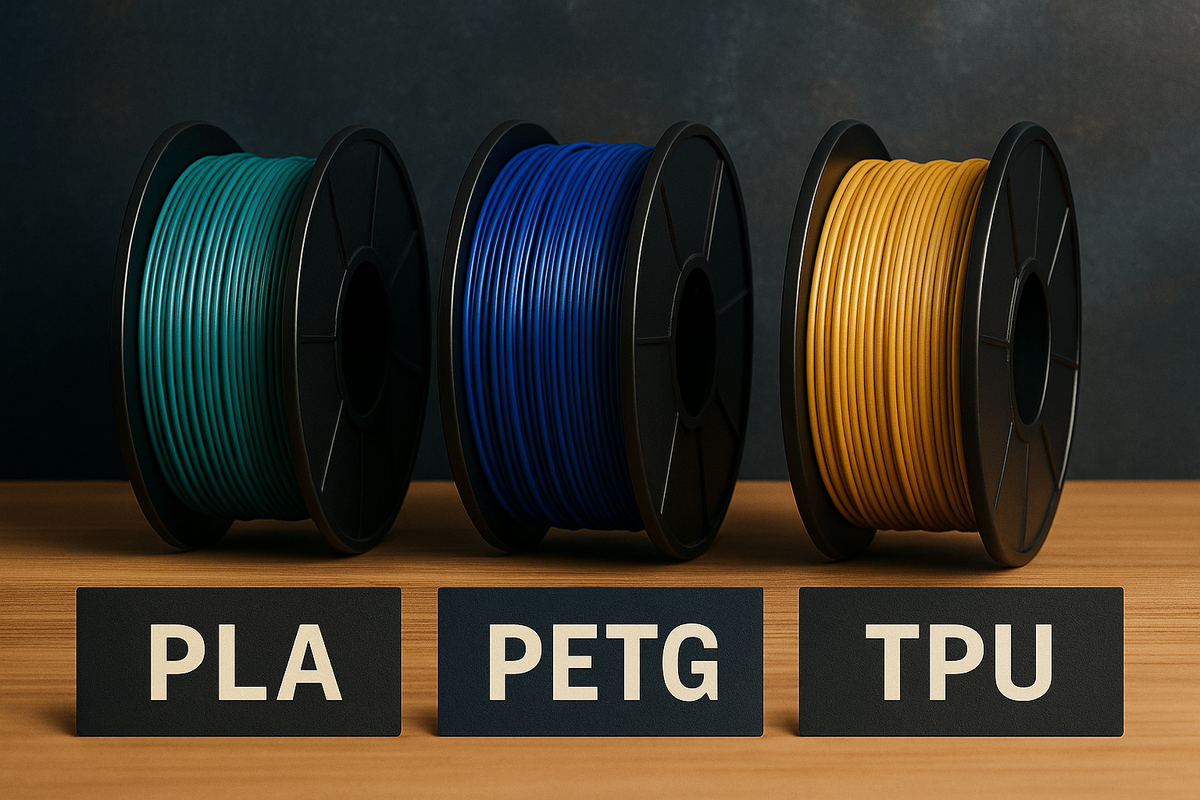
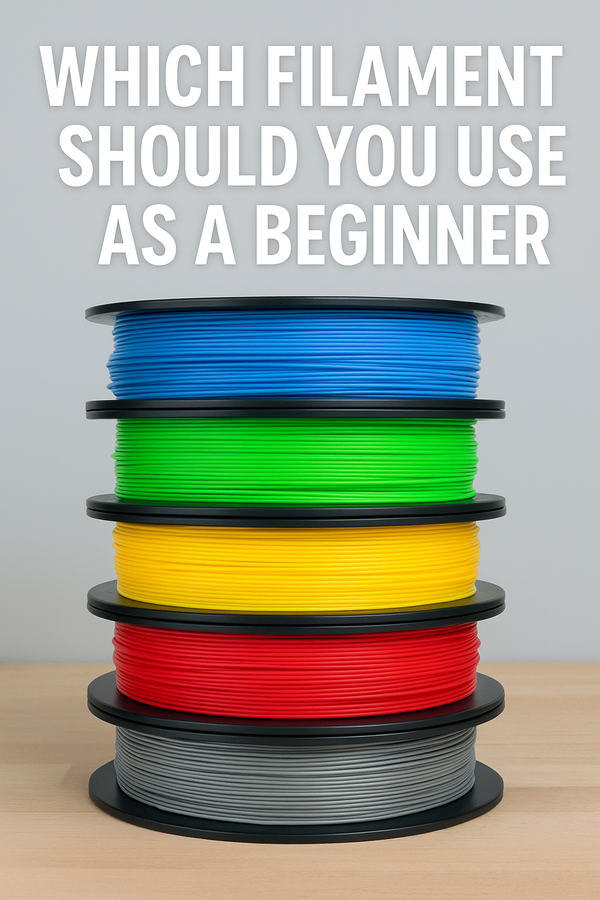
With so many filament types available, choosing the right one for your project can feel overwhelming. Each material behaves differently, excels in different scenarios, and has its own quirks. The good news is that you don’t need to master every filament to get great results. You just need to understand the strengths of the big three: PLA, PETG, and TPU.
At NerdMatter3D, we work with these materials daily across our print farm. Here is a beginner-friendly guide to help you decide which filament is best for your next print.
PLA: The Maker’s Everyday Filament
PLA (Polylactic Acid) is one of the most popular filaments in the world. It’s made from renewable sources like cornstarch and sugarcane, making it one of the most eco-friendly options in 3D printing.
Why We Use PLA Every Day
PLA is:
• easy to print
• low-warp
• low-odor
• compatible with nearly all printers
• great for fine details and multi-color AMS prints
• perfect for smooth finishes and bright colors
We use PLA for the majority of products in our shop, especially:
• bookmarks
• ornaments
• custom business cards
• character figures
• post-it holders
• decorative prints
PLA shines when aesthetics matter more than raw durability.
PETG: Strong, Durable, and More Heat Resistant
PETG (Polyethylene Terephthalate Glycol) is tougher than PLA and adds durability without the brittleness or printing difficulty of ABS.
Where PETG Makes Sense
PETG is a fantastic choice for:
• functional parts
• clips, brackets, and mounts
• outdoor items
• parts that need better heat resistance
• prints that require flexibility without being rubbery
It has a glossy finish, resists impact well, and holds up better in hot environments compared to PLA. However:
• it strings more easily
• it prefers slower speeds
• it can require tuning to get clean overhangs
This is why we use PETG selectively — mainly for utility prints or items that need added strength.
TPU: Flexible, Rubberlike, and Surprisingly Versatile
TPU (Thermoplastic Polyurethane) is the go-to filament for anything that requires flexibility.
What TPU Is Good For
TPU is perfect for:
• phone cases
• flexible soles or grips
• gaskets
• bumpers
• vibration dampening
• Nerf parts
• custom bar mats
• flexible bookmarks or accessories
It prints slower and requires a printer that can handle flexible filament well, but the results are worth it. TPU opens the door to products that feel soft, durable, and bendable.
Which Filament Should You Choose?
Here is a quick guide to make it easy:
Choose PLA if you want:
• clean detail
• bright colors
• multi-color prints
• decorative objects
• fast + easy printing
• low fuss setup
Choose PETG if you need:
• durability
• heat resistance
• functional strength
• outdoor performance
• impact resistance
Choose TPU if you want:
• flexibility
• soft-touch feel
• shock absorption
• grippy surfaces
• wearable or bendable parts
Why We Use All Three in Our Print Farm
At NerdMatter3D, PLA handles around 80 percent of our work because it’s ideal for vibrant, detailed items. PETG becomes the star when a design needs strength, and TPU shines whenever flexibility is key.
By combining materials across the farm, we can produce:
• high-detail aesthetic prints
• durable functional parts
• flexible accessories
• textured rubbery surfaces
• multi-color PLA graphics
• custom-sized components
Each material brings something unique to the table.
Final Thoughts
You don’t need to be an expert to choose the right filament. Just think about what the print needs to do.
If the goal is visual appeal or a clean finish, go with PLA.
If the goal is durability or heat resistance, choose PETG.
If the goal is flexibility or softness, pick TPU.
As you experiment more, you’ll learn which materials feel best for your creative style and your printer’s capabilities.
Curious What These Materials Can Make?
Every item in our shop is printed with one of these exact materials, chosen to match the function and look of each product.
Browse our full collection here:
👉 https://nerdmatter3d.etsy.com
You can also see some of our favorite filaments in our linktree as well: